
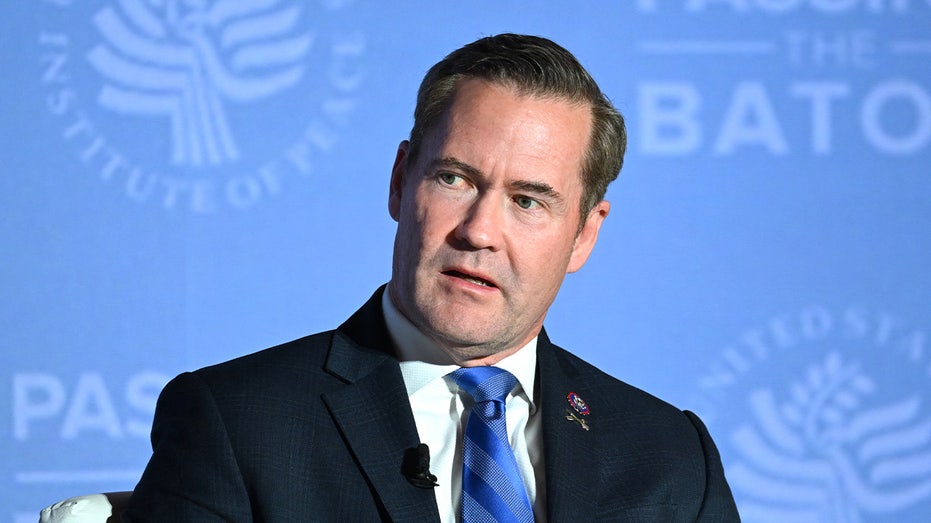
U.S. Ambassador to the United Nations Mike Waltz defended the United States’ indictment of Venezuelan strongman Nicolás Maduro ahead of Monday’s U.N. Security Council meeting, while outlining what to expect from the proceedings.
“You’re going to hear a lot of hand-wringing on Article 2 of the U.N. Charter, which deals with sovereignty, and I will remind everyone of Article 51 of the United Nations Charter, which is a nation’s inherent right to self-defense,” Waltz said on “Sunday Morning Futures.”
“In this case, you have a drug kingpin, an illegitimate leader indicted in the United States coordinating with the likes of China, Russia, Iran, terrorist groups like Hezbollah, pumping drugs, thugs, and weapons into the United States of America, threatening to invade its neighbors…
SECOND FRONT: HOW A SOCIALIST CELL IN THE US MOBILIZED PRO-MADURO FOOT SOLDIERS WITHIN 12 HOURS
“Was President Trump just going to let that status quo continue? Absolutely not. He gave diplomacy a chance. He gave Maduro a chance, but he took decisive action in the interests of the United States,” he added.
Waltz’s remarks came on the heels of the Trump administration’s successful operation to capture Maduro on Saturday, a move that drew mixed reactions as Democrats and Republicans debated legality concerns and the South American country’s political future.
The operation followed months-long crackdowns against alleged narcoterrorism schemes tied to the country, including strikes on suspected drug boats in Caribbean waters.
The emergency U.N. Security Council meeting, requested by Venezuela and neighboring Colombia, is scheduled for Monday at 10 a.m. ET, Fox News national correspondent CB Cotton reported Saturday.
Waltz sounded the alarm over other U.S. adversaries — namely China — moving “aggressively” into South America, something he said President Trump and Secretary of State Marco Rubio have been actively combating.
“What you’ve seen is China getting cheap oil, moving in and taking key geography, taking things like ports and rail and food supplies right in our Western Hemisphere, right in Central South America. And this is why, amongst many reasons, this is such a critical national security issue,” he said.