
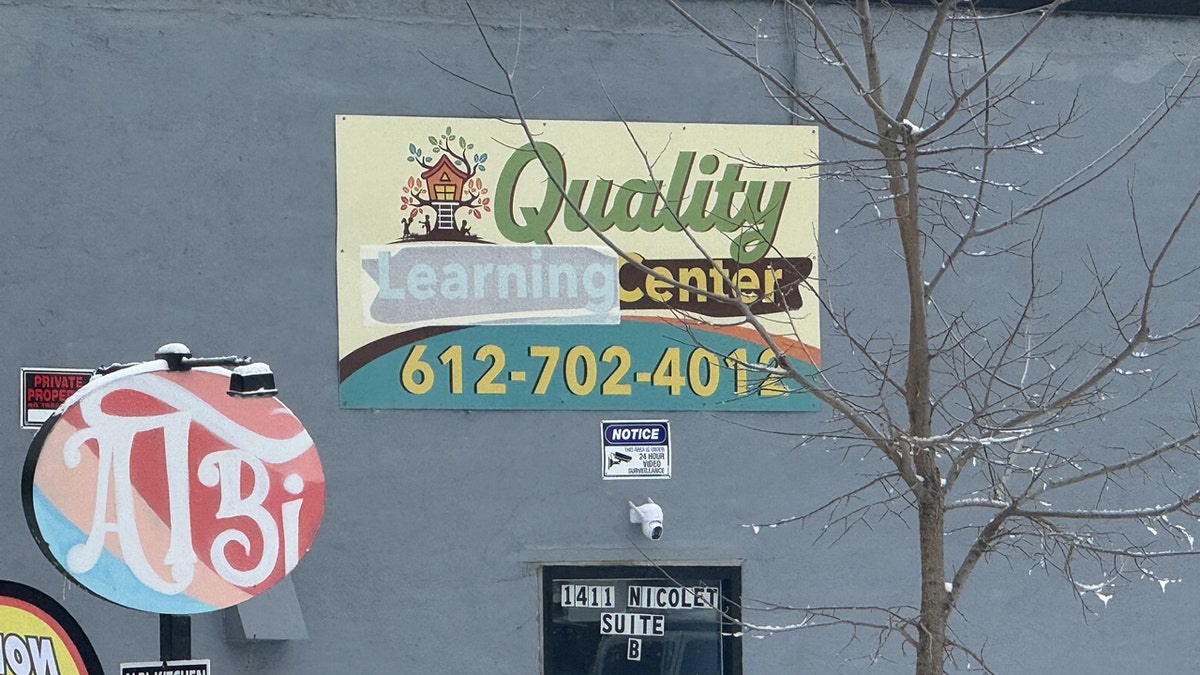
Investigators have found a large underworld of fraud in Minnesota’s welfare programs. In one scandal, 57 people were convicted of stealing benefits from a children’s food program. In another scandal, investigators allege that Medicaid programs for housing, autism and assisted living have been looted. A third scandal is the apparent widespread fraud in daycare programs, as profiled by a YouTuber.
Republicans have jumped on the Minnesota scandals to highlight how the fraud spread in the Somali community under a Democratic governor. But there is a deeper lesson from Minnesota, stemming from the fact that the fraud-plagued programs in the news are all federally funded and administered by the state: State policymakers have little incentive to combat fraud when they are spending “free” money from Washington. Meanwhile, federal policymakers act as if they can borrow and spend without limits, and they focus on steering funds to their districts, not routing out waste.
As a result, many federal aid-to-state programs — which account for $1.1 trillion in spending — suffer from fraud. In the $110 billion food stamp program, for example, there has been an explosion of “card skimming.” Since 2023, more than 670,000 households have had their food stamp benefits stolen by criminals rigging checkout terminals with fake card readers.
USDA IMMEDIATELY SUSPENDS ALL FEDERAL FUNDING TO MINNESOTA AMID FRAUD INVESTIGATION
State governments could have solved this problem years ago by putting food stamp benefits on smartcards. But very few states have done so because the costs of fraud are covered by the federal budget, not by state taxpayers.
Another spigot of funding susceptible to fraud is the Department of Housing and Urban Development’s $60 billion in state aid. Last year, the New York City Housing Authority — which is two-thirds funded by HUD — was rocked by scandal as 70 employees were convicted of taking bribes for steering contracts to chosen vendors. The bribery scams had gone on for at least a decade, likely because federal policymakers were not paying attention and the housing authority was mainly spending federal money, not New York’s.
Much of HUD’s community development spending flows to thousands of nonprofit groups with opaque finances, which creates a breeding ground for scammers. Last year in Delaware, for example, leaders of the Dover Interfaith Mission for Housing pleaded guilty to stealing $600,000 of HUD funds. In another case last year, two Amarillo city workers were convicted of stealing more than $500,000 from HUD-funded homelessness programs.
In California, billions of dollars of HUD and state homeless aid to anti-poverty groups has gone missing. One company called Shangri-La allegedly stole $2 million in grants that were supposed to build low-income housing. A federal prosecutor said that he is finding massive fraud and criticized California leaders for letting corruption fester for years.
MINNESOTA DHS WHISTLEBLOWER DETAILS ‘SMEAR CAMPAIGN’ AFTER REPORTING FRAUD CONCERNS TO STATE
With all these scandals, the Trump administration’s crack-down on fraud is clearly needed. But executive actions won’t solve the underlying problem: the states have no incentive to be frugal with federal funds while federal lawmakers deficit-spend with no restraint.
The only durable way to slash fraud is for Congress to transfer the funding of welfare to state governments, which face the discipline of having to balance their annual budgets. It is true, however, that cutting federal welfare funding faces major political hurdles.
First, members of Congress build political support by steering federal spending to anti-poverty groups in their districts. Second, pro-spending lobbies know that the deficit-fueled federal budget is less constrained than state budgets, so they push to move welfare funding up to the federal level.
TREASURY SECRETARY ANNOUNCES CASH REWARDS FOR MINNESOTA FRAUD WHISTLEBLOWERS
Third, liberals fixate on tax distribution, fully aware that federal taxes hit the wealthy harder than state taxes. As such, they favor federal funding of welfare over state funding.
CLICK HERE FOR MORE FOX NEWS OPINION
Finally, liberals favor federalizing programs to curtail interstate competition. If the states funded their own welfare systems, many would decide to have leaner programs and lower taxes. Liberals fear such diversity, so they press for top-down programs that burden all the states equally with bloated programs.
These are powerful barriers to reform but, strangely, partisanship may break down those barriers. Trump is targeting fraud because Democratic states and Democratic-favored programs are in the news. For taxpayers, this is good news, but even better news would be if Democrats launched their own fraud investigations of GOP-favored programs.
Treasury Secretary Scott Bessent says that up to 10 percent of federal spending gets stolen in fraud scams each year. In the near term, we need more auditing of both Democratic and Republican favored programs. But over the longer term, Congress should end funding of the most fraud-prone programs — and many of those are aid-to-state welfare programs.